
How my experience of Crohn’s disease changed my life—and my work
Charmaine Shepherd's personal account of years of gut symptoms, a Crohn's disease diagnosis, her recovery, and how it led her to acupuncture and functional medicine.
- Updated
- 6 min read
- By Charmaine Shepherd, IFM Certified Practitioner
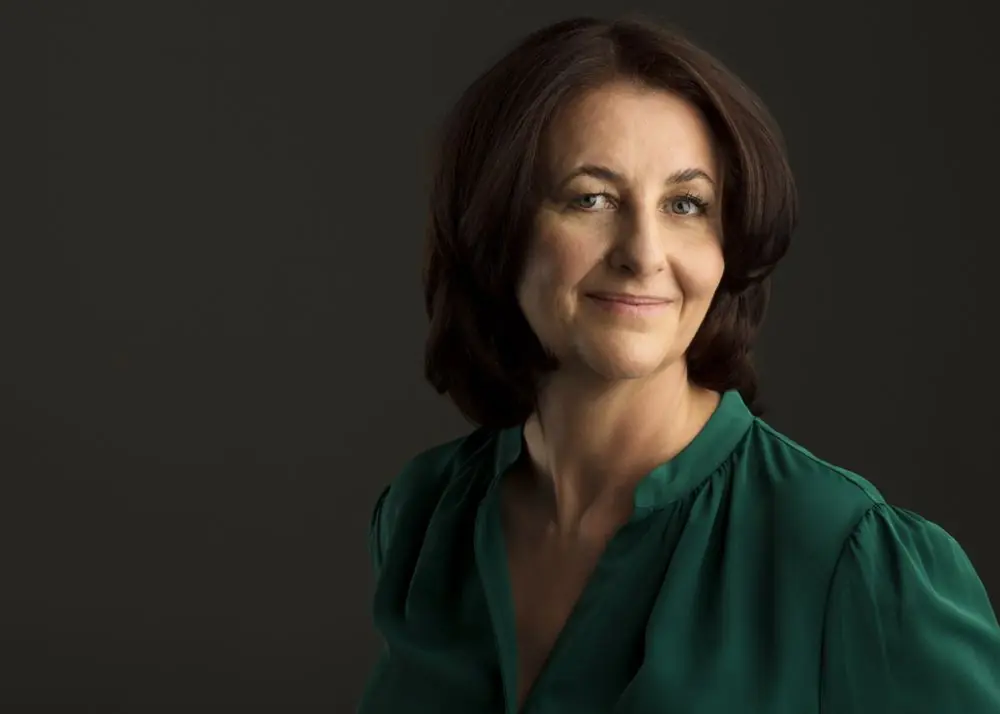
My interest in helping people with complex health problems began with my own experience of being unwell. Long before I became an acupuncturist and functional medicine practitioner, I was trying to understand why my digestion was causing me so much trouble.
That experience changed my health, my outlook and, eventually, the direction of my career.
My symptoms started long before my diagnosis
Looking back, my bowel problems probably began in childhood. Lactose intolerance was one of the early issues, although at that stage I had no reason to connect it with anything more.
In my teenage years, my digestion became more difficult, with constipation being the main pattern. By the time I was at university, I was experiencing abdominal cramps almost every day.
These symptoms were put down to irritable bowel syndrome, or IBS. For years, that was the explanation I had. Yet the discomfort continued, becoming a familiar part of everyday life.
When symptoms develop gradually, it can be difficult to recognise how much they are affecting you. You adapt around them, and what once felt unusual starts to feel normal. Looking back now, I can see that my digestive problems had been with me for a long time before I received a clear diagnosis.
Finally receiving a diagnosis
It wasn’t until my mid-twenties, when things became much worse, that more thorough investigations were carried out. I was diagnosed with Crohn’s disease.
After years of symptoms, there was finally a name for what was happening. But the diagnosis also brought uncertainty. The journey ahead looked tough, and I had to start thinking about what living with a long-term inflammatory condition might mean for my future.
At the time, I was working in the pharmaceutical industry. My professional world was grounded in science and conventional medicine, but being the person facing the diagnosis felt very different from understanding illness through work or study.
The treatment options being discussed felt frightening to me. That was my personal response at the time: I was young, unwell and trying to make sense of decisions that suddenly felt very significant.
A GP who opened my eyes to other approaches
I was fortunate to have a wonderful GP who was also an acupuncturist.
He introduced me to approaches I hadn’t previously considered and opened my eyes to a different way of thinking about health. Until then, alternative and complementary medicine hadn’t been part of my world. Through him, I began to explore how they might support my recovery.
Having a doctor who could bring these perspectives together was enormously valuable. It gave me someone with whom I could explore questions and possibilities while trying to understand my own health.
That relationship became a turning point. It was the beginning of a journey that would eventually take me into an entirely different career.
What became part of my recovery
Acupuncture, herbal medicine and dietary changes became important parts of my recovery.
I began paying closer attention to my digestion and exploring what helped me. This was a personal process of learning and making changes, rather than following a single formula.
As I recovered, my understanding of health began to expand. I became increasingly interested in the relationship between what we eat, how our bodies function and the ways we can support ourselves when we are unwell.
I can describe what I used and how my health changed, but I cannot separate out exactly how much each part contributed. What I do know is that this experience had a profound effect on me.
It also made me appreciate how individual these journeys are. People with the same diagnosis can have very different symptoms, circumstances and treatment needs. My story is one person’s experience, rather than a set of instructions for someone else to follow.
Why my career changed
As my health improved, so did my interest in the approaches that had supported me. What began as a search for help became something I wanted to understand more deeply.
Eventually, it changed the direction of my working life.
I wanted to be able to offer others the kind of thoughtful, individual support that had mattered so much to me. That led me towards training in acupuncture and, later, functional medicine, bringing together my biomedical science background with the experience of having been a patient myself.
My scientific training remains central to how I work. My personal experience adds another perspective: an understanding of what it feels like to live with symptoms, wait for answers and face decisions about your health.
Both have shaped the practitioner I am today.
How this shapes the way I work now
When someone comes to see me with ongoing digestive problems or a complex health history, I want to understand the story behind their symptoms.
When did things begin? What was happening around that time? What has changed? What has already helped, and what has made things worse? How is their health affecting their ability to work, eat, sleep and enjoy life?
These questions matter because a diagnosis, while important, does not tell us everything about the person living with it.
My own experience taught me the value of being listened to and having space to explore a broader picture. That is something I try to bring into every consultation.
Through functional medicine, I look at how factors such as nutrition, digestive function, sleep, stress and a person’s wider health may be contributing to their difficulties. The aim is to identify practical, appropriate ways to support them, taking account of their medical care and individual needs.
I also remember that people often arrive feeling overwhelmed. They may have received a great deal of information but still be unsure what it means for them. Part of my role is to help make that information understandable and turn it into manageable next steps.
What I would tell someone newly diagnosed with IBD
First, give yourself time. A diagnosis can bring a mixture of emotions, and you don’t have to have every answer straight away.
Ask questions until you understand your condition and the options being offered. It is reasonable to want to know what a treatment is intended to do, how it will be monitored and what support is available.
If you want to explore dietary changes or complementary approaches, seek guidance from someone who understands IBD and can take your treatment and nutritional needs into account. A plan should fit your circumstances, rather than leave you trying to follow an increasingly restrictive list of rules.
Stay connected with your IBD team, including when you feel better, and discuss any medication changes with them.
Above all, remember that you deserve support with the whole experience of being unwell. Your symptoms matter, and so do the effects they have on your confidence, your daily life and your hopes for the future.
Why I share my story
I share this because it explains something important about why I do this work.
I know what it feels like to have digestive symptoms for years before receiving a diagnosis. I remember how daunting the future looked, and how much it mattered when someone helped me explore a wider range of support.
My recovery changed more than my health. It gave my career a new direction and continues to shape the care I offer today.
A note on medical care: Crohn’s disease requires ongoing medical care and monitoring. Nutrition and complementary approaches can be explored alongside that care, with appropriate guidance. Herbal medicines and supplements should be checked for interactions, and prescribed medication should not be stopped or changed without speaking to your IBD team.

What is small intestinal bacterial overgrowth (SIBO), and how do you get tested in the UK?

What does a comprehensive stool test show?
Reflux and heartburn: too much stomach acid, or too little?
This article is for general information and isn't a substitute for personal medical advice. Please don't start or stop any medication without speaking to your GP or prescriber.