
Brain fog in perimenopause: what’s normal, and what helps?
Perimenopausal brain fog deserves a fuller picture. Explore hormones, sleep, blood sugar, nutrients and a personalised functional medicine approach.
- Updated
- 4 min read
- By Charmaine Shepherd, IFM Certified Practitioner
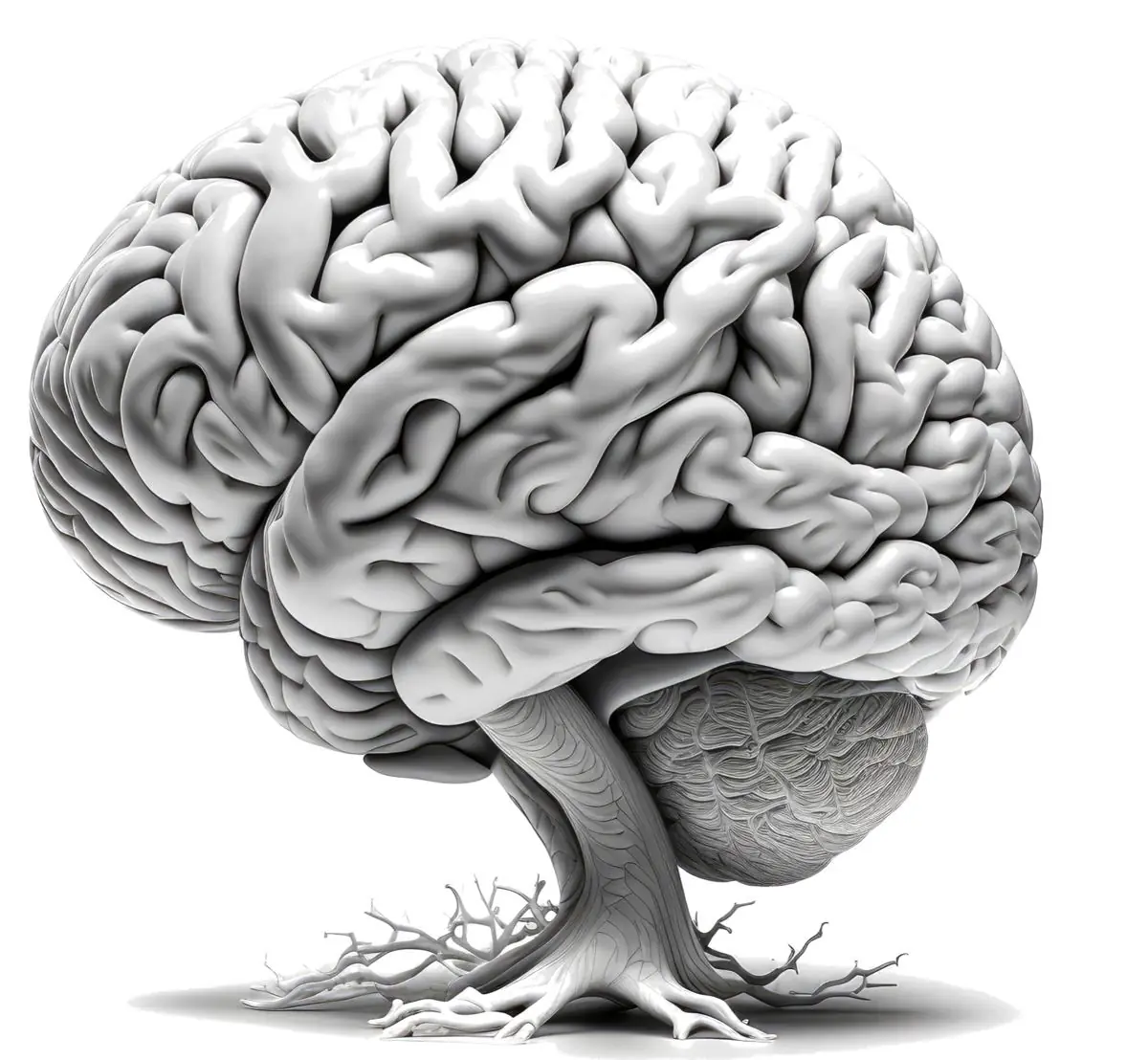
Brain fog is common during perimenopause, but you do not have to simply put up with it. Hormonal fluctuations can affect sleep, mood and concentration, while thyroid changes, low iron, blood sugar regulation and other factors may add to the problem. A functional medicine assessment brings these pieces together to guide support.
Losing a familiar word or struggling to follow a meeting can be unsettling, especially when you have a family history of dementia.
Many women tell me they feel less capable than they used to. I take that seriously. Perimenopause can be part of the explanation, and we should also look at what is making the transition harder for your brain and body.
What does perimenopausal brain fog feel like?
-
Losing words or names mid-sentence.
-
Forgetting why you entered a room.
-
Finding it harder to concentrate or switch between tasks.
-
Feeling mentally slower, particularly after a poor night’s sleep.
-
Needing more reminders to keep on top of everyday life.
The pattern matters. I ask whether symptoms fluctuate with your cycle, sleep, meals or stress, and whether they are affecting your work or independence.
Is it temporary?
For many women, these difficulties improve as the menopausal transition settles. Research from the SWAN study found temporary changes in aspects of cognitive performance during perimenopause.
However, that does not mean every memory symptom should be attributed to hormones or that you need to wait for it to pass. We can assess the contributors now.
Why does perimenopause cause brain fog?
Oestrogen has roles in brain signalling and energy metabolism. Fluctuating hormones can also disrupt sleep and mood, making concentration more difficult.
| Contributor | Why I look at it |
|---|---|
| Night sweats and fragmented sleep | Poor sleep affects attention and memory |
| Stress and anxiety | Persistent strain can make it harder to focus and recover |
| Blood sugar regulation | Irregular meals and metabolic problems may contribute to fatigue and poor concentration |
| Low iron or B12 | Heavy periods, restricted intake and absorption problems can affect nutrient status |
| Thyroid changes | Symptoms can overlap with perimenopause |
| Alcohol and medicines | These may affect alertness or sleep quality |
What helps perimenopausal brain fog?
Understand your hormonal picture. Symptoms and cycle history often identify perimenopause. When further assessment is useful, I may use urinary hormone metabolite testing to explore how hormones are being processed. I find this can add context beyond a single blood snapshot; it does not establish the cause of brain fog or determine an HRT prescription by itself.
Make sleep a priority. We look at night sweats, sleep timing, caffeine, alcohol and possible sleep apnoea. Being in bed for eight hours is different from getting restorative sleep.
Support metabolic health. Sufficient protein, fibre, regular meals and movement can help sustain energy. Where indicated, we investigate glucose regulation more closely.
Check nutrients and thyroid function. Iron stores, B12 and thyroid markers are particularly relevant when fatigue and brain fog overlap. Supplementation follows the findings.
Build recovery into your day. HRV biofeedback, breathing practices and realistic changes to your workload can support stress regulation. These are practical tools, rather than another task to perform perfectly.
Discuss HRT when appropriate. HRT can improve menopausal symptoms, including sleep disruption, which may help mental clarity. It is not a proven treatment to prevent dementia or a guaranteed solution for cognitive symptoms.
Lists, reminders and doing one task at a time can also take pressure off while we work on the underlying picture.
See my perimenopause and menopause guide.
When is brain fog something more?
Progressively worsening memory, getting lost, difficulty with familiar tasks or changes noticed by others deserve medical assessment. A family history of dementia is also a reason to discuss a proactive brain health plan, rather than assume the worst.
Call 999 for sudden confusion or speech difficulty, especially with facial drooping or weakness.
Common questions
Does brain fog in perimenopause go away?
It often improves, but the course varies. Supporting sleep, nutrition and other contributors can help while hormones fluctuate.
Can HRT help brain fog?
Some women notice clearer thinking as sleep and other symptoms improve. Your prescriber can assess suitability; a wider health assessment remains useful if symptoms persist.
How do I know if it’s brain fog or early dementia?
Fluctuating symptoms may fit perimenopause, but the pattern alone cannot make the distinction. Persistent or progressive changes deserve assessment and, where appropriate, cognitive testing.
Which supplements help menopause brain fog?
The most useful starting point is identifying a need. Iron or B12 replacement can help when deficient; an individual plan is more meaningful than a generic brain supplement list.
Struggling with brain fog? Book a free discovery call and we’ll explore the wider picture.
Sources

Bloating in perimenopause? How your gut and hormones are connected

Hashimoto’s: what to do when your thyroid antibodies are raised

Thyroid or perimenopause? How to tell the difference
This article is for general information and isn't a substitute for personal medical advice. Please don't start or stop any medication without speaking to your GP or prescriber.